

AI-Powered Digital Marketing Course | Best Digital Marketing Institute in Delhi & India
50+ Modules | Work on Live Projects | 100% Job Placement | 15+ Certifications | 3-6 Months Training Program | Easy EMI Options | 8yrs+ Trainer Experience | Agency Style Learning | AI
Digital Marketing Course Modules








Digital Marketing Course Modules
- Search Engine Optimization (SEO) is one of the most important modules in digital marketing. SEO focuses on improving a website’s visibility on search engines such as Google, Bing, and Yahoo. The goal of SEO is to rank a website higher in search results so that businesses can attract organic (free) traffic and potential customers.
In this module, students learn how search engines work and how websites are ranked. The course covers keyword research, which helps identify the terms people use when searching online. Students also learn on-page SEO techniques such as optimizing titles, meta descriptions, headings, content, and images.
Another key area of SEO training is technical SEO, which includes improving website speed, mobile friendliness, site structure, and indexing. Students also learn off-page SEO, which focuses on building backlinks and improving website authority.
By the end of the module, students understand how to optimize websites to increase traffic, improve rankings, and generate leads or sales from search engines.
- Social Media Marketing (SMO)
Social Media Marketing focuses on promoting brands, products, and services through social media platforms such as Facebook, Instagram, LinkedIn, Twitter (X), and Pinterest. It is one of the most effective ways to build brand awareness and connect with customers.
In this module, students learn how to create and manage professional social media profiles for businesses. They also learn how to develop content strategies that attract engagement and build a loyal audience.
The course covers topics such as content planning, social media scheduling, audience targeting, hashtag strategies, and analytics tracking. Students also learn how to use tools to manage multiple social media accounts efficiently.
This module helps students understand how businesses can use social media platforms to increase brand visibility, drive traffic to websites, and generate leads.
- Google Ads / Pay-Per-Click Advertising (PPC)
Google Ads is one of the most powerful digital advertising platforms used by businesses worldwide. The PPC module teaches students how to run paid advertising campaigns on Google Search, Display Network, YouTube, and other partner websites.
Students learn how pay-per-click advertising works, where advertisers pay only when users click on their ads. The module includes training on keyword selection, ad creation, campaign structure, bidding strategies, and budget management.
Students also learn how to create high-converting ads and analyze campaign performance using conversion tracking and analytics tools. By understanding campaign optimization, students can improve ROI and reduce advertising costs.
This module prepares students to run professional paid campaigns for businesses and clients.
- Meta Ads / Social Media Advertising
Meta Ads training focuses on advertising through Facebook and Instagram using Meta Ads Manager. These platforms allow businesses to reach highly targeted audiences based on demographics, interests, behavior, and location.
In this module, students learn how to create ad campaigns for different marketing goals such as brand awareness, traffic generation, lead generation, and sales.
Students learn about audience targeting, ad creatives, budgeting, retargeting campaigns, and conversion tracking. They also learn how to analyze campaign performance and optimize ads for better results.
Meta advertising is widely used by businesses to generate leads and drive sales through social media platforms.
- Performance Marketing
Performance marketing focuses on marketing strategies where advertisers pay based on measurable results such as clicks, leads, or sales. It combines multiple channels such as search ads, display ads, social media advertising, and affiliate marketing.
In this module, students learn how to run data-driven campaigns and track performance using marketing analytics tools.
Key topics include campaign optimization, conversion tracking, A/B testing, marketing funnels, and ROI analysis. Students also learn how to allocate marketing budgets effectively to maximize results.
Performance marketing is highly valuable for businesses because it focuses on measurable outcomes and cost-effective advertising strategies.
- Email Marketing
Email marketing remains one of the most powerful digital marketing strategies for nurturing leads and maintaining relationships with customers.
In this module, students learn how to build email lists and design professional email campaigns that engage subscribers. The training covers email campaign creation, automation workflows, segmentation, and personalization techniques.
Students also learn how to track performance using metrics such as open rates, click-through rates, and conversion rates.
Email marketing is widely used by businesses to promote products, share updates, and drive repeat sales.
- Content Marketing
Content marketing focuses on creating valuable and relevant content that attracts and engages a target audience. Instead of directly promoting products, businesses provide useful information that builds trust and authority.
Students learn how to create different types of content such as blogs, articles, videos, infographics, and social media posts.
The module also covers content strategy, storytelling, SEO content writing, and audience research.
Effective content marketing helps businesses build long-term relationships with customers and improve search engine rankings.
- Affiliate Marketing
Affiliate marketing allows individuals or businesses to earn commissions by promoting other companies’ products or services.
In this module, students learn how affiliate programs work and how to promote products through blogs, websites, and social media platforms.
Students also learn how to join affiliate networks such as Amazon Associates and other affiliate platforms. They learn strategies for generating traffic and increasing affiliate sales.
Affiliate marketing is a popular way for digital marketers to earn passive income online.
- YouTube Marketing
YouTube is one of the largest video platforms in the world, making it a powerful tool for marketing and brand promotion.
This module teaches students how to create and optimize YouTube channels. Students learn about video SEO, keyword research for videos, thumbnails, audience engagement, and subscriber growth strategies.
The training also covers monetization methods such as YouTube Ads, sponsorships, and affiliate marketing.
YouTube marketing helps businesses reach large audiences through engaging video content.
- WordPress Website Development
WordPress is the most widely used website development platform in the world. This module teaches students how to create professional websites without advanced coding skills.
Students learn how to install WordPress, choose themes, and customize website designs. They also learn how to use plugins to add features such as SEO tools, contact forms, and security.
The module also includes training on website optimization, mobile responsiveness, and website management.
This knowledge allows students to build websites for businesses, blogs, and online stores.
- Graphic Design & Video Editing
Visual content plays a crucial role in digital marketing. This module focuses on creating attractive graphics and videos for marketing campaigns.
Students learn how to use design tools such as Canva, Photoshop, and video editing software to create social media graphics, advertisements, and promotional videos.
The training covers design principles, branding, color theory, and visual storytelling.
These skills help businesses create engaging marketing materials that attract attention online.
- Mobile & WhatsApp Marketing
Mobile marketing focuses on reaching customers through smartphones and mobile devices.
In this module, students learn how to run marketing campaigns through SMS marketing, WhatsApp marketing, and mobile apps.
Students also learn strategies for building customer relationships through messaging platforms and sending promotional offers directly to users.
WhatsApp marketing is widely used by businesses to communicate with customers and generate leads.
- Artificial Intelligence in Digital Marketing
Artificial Intelligence is transforming the digital marketing industry by automating processes and improving marketing efficiency.
This module teaches students how AI tools can be used for content generation, customer insights, marketing automation, and predictive analytics.
Students also learn how AI can help personalize marketing campaigns and improve decision-making.
Understanding AI tools helps digital marketers work faster and achieve better results.
- Google AdSense
Google AdSense allows website owners and bloggers to earn money by displaying advertisements on their websites.
In this module, students learn how to set up AdSense accounts and place ads on websites.
The course also covers ad placement strategies, policy guidelines, and revenue optimization techniques.
Students learn how to increase website traffic and maximize earnings through display advertising.
- Google Analytics & Web Analytics
Google Analytics is an essential tool for analyzing website performance and understanding user behavior.
In this module, students learn how to track website traffic, user interactions, and conversions.
The training covers GA4 setup, event tracking, goal tracking, and data analysis.
By analyzing data, marketers can improve marketing strategies and make better decisions.
- Marketing Automation
Marketing automation helps businesses streamline marketing activities and improve efficiency.
Students learn how to automate tasks such as email campaigns, lead nurturing, customer segmentation, and CRM integration.
The module also covers automation tools used by businesses to manage marketing campaigns more effectively.
Automation allows marketers to save time and focus on strategy and creativity.
- Online Reputation Management (ORM)
Online Reputation Management focuses on maintaining a positive brand image on the internet.
Students learn how to monitor online reviews, respond to customer feedback, and manage brand mentions.
The module also teaches strategies for handling negative reviews and improving online credibility.
A strong online reputation helps businesses build trust with customers.
- E-Commerce Marketing
E-commerce marketing focuses on promoting products through online stores and marketplaces such as Amazon, Shopify, and Flipkart.
Students learn how to optimize product listings, run marketplace advertisements, and improve product visibility.
The module also covers sales funnels, customer retention strategies, and conversion optimization.
E-commerce marketing helps businesses increase online sales and expand their customer base.
- Influencer Marketing
Influencer marketing involves collaborating with social media influencers to promote products or services.
Students learn how to identify relevant influencers and create effective collaboration campaigns.
The module also covers campaign planning, influencer outreach, and performance measurement.
Influencer marketing helps brands reach targeted audiences through trusted personalities.
- Freelancing & Digital Agency Setup
This module helps students start their careers as freelancers or build their own digital marketing agencies.
Students learn how to find clients through platforms such as Upwork, Fiverr, and LinkedIn.
They also learn about pricing strategies, client communication, and project management.
This module helps students build successful careers in digital marketing.
- Blogging & Website Monetization
Blogging is a powerful way to share knowledge and generate income online.
Students learn how to create blogs, write engaging articles, and attract traffic through SEO and social media.
The module also covers monetization methods such as Google AdSense, affiliate marketing, sponsored content, and digital products.
Blogging allows individuals to build personal brands and earn passive income
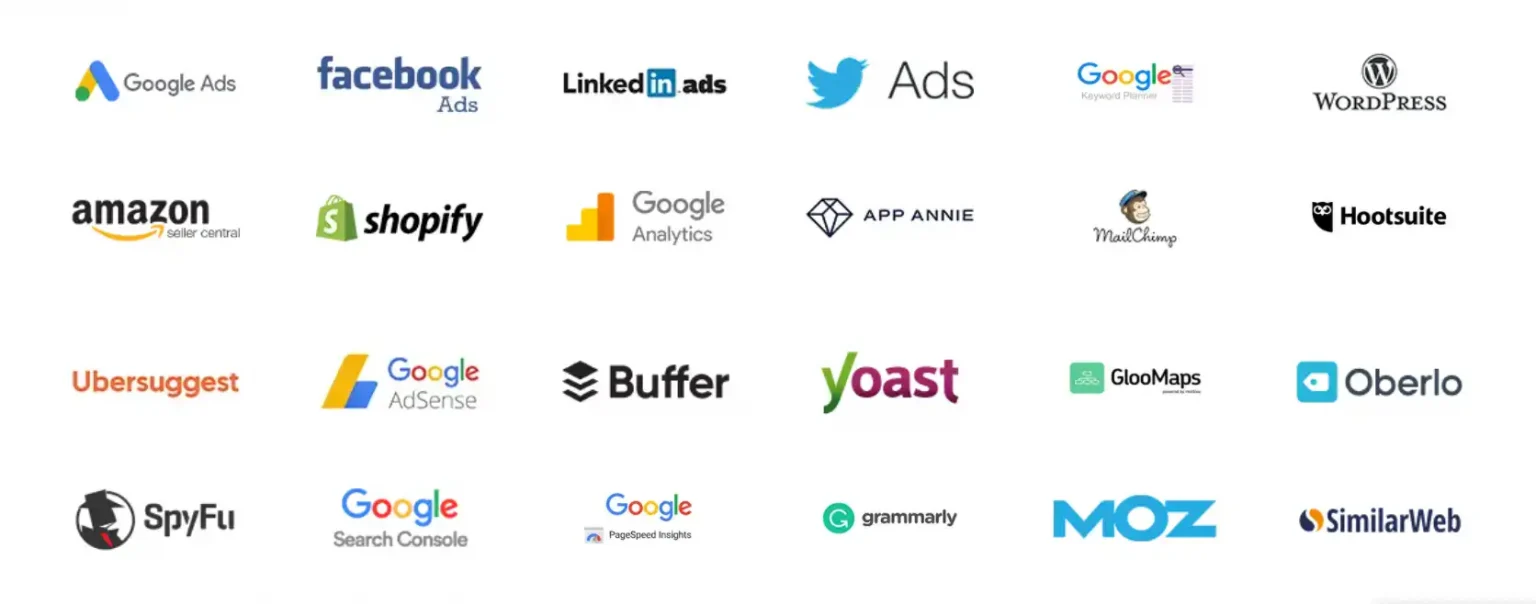
Digital Marketing Tools
Why Should Join MarketersPedia Digital Marketing Training Institute
Industry Experience Based Training
Students prefer trainers who have real industry experience. With 8+ years in digital marketing, you can teach practical strategies used by companies rather than only theory.
Trainer with Top Institute Certifications
Being certified from IIT Delhi and IIM Bangalore builds credibility and trust. Students feel confident learning from a trainer with strong academic recognition.
Practical Training with Live Projects
Instead of only theory, students will work on real websites, campaigns, and live marketing tools such as Google Ads, Meta Ads, SEO tools, and analytics.
Small Batch Size & Personal Attention
Unlike big institutes, smaller batches allow one-to-one guidance and mentorship.
Career Guidance & Placement Support
Students want career growth. We Provide Carrer Counseling as well as Career Guidance and Support
Location Advantage
Being located near Delhi University North Campus gives easy access for thousands of students from colleges.
Who can Join MarketersPedia Digital Marketing Training Institute
College Students
Students from Delhi University want high-income skills and job opportunities.
Benefits for them:
Career in digital marketing
Freelancing income
Internship opportunities
Job Seekers
People looking for jobs can learn digital marketing to get roles such as:
SEO Executive
Social Media Manager
PPC Specialist
Digital Marketing Manager
Business Owners
Local business owners want to learn digital marketing to:
Promote their business online
Generate leads
Increase sales
Working Professionals
People already working in marketing or IT want to upgrade their skills.
Freelancers
People who want to work independently can offer services such as:
SEO services
Social media marketing
Ads management
Website development
Bloggers & Content Creators
They want to learn:
SEO
YouTube marketing
Affiliate marketing
Website monetization
Our Digital Marketing Training Institute in North Campus, Delhi offers industry-focused training led by a professional with 8+ years of experience and certifications from IIT Delhi and IIM Bangalore. The course focuses on practical learning, live projects, and career guidance to help students build successful careers in digital marketing.

Digital Marketing Career: Jobs, Salary, Skills, and Future Opportunities
Digital marketing has become one of the fastest-growing career fields in the world. As businesses…
Top Digital Marketing Strategies to Grow Your Business in 2026
Digital marketing has transformed the way businesses promote their products and services.With billions of people…
Top 20 Best Digital Marketing Tools for Businesses in 2026
Digital marketing has become essential for businesses that want to grow online. From search engine…
Online vs Offline Digital Marketing Course: Which Is Better for Your Career?
Flexibility Comparison Cost Comparison in India Student Preference Trend Introduction Digital marketing has become one…

Digital Marketing vs MBA: Which Career Path Is Better in India?
In today’s competitive job market, students often struggle to decide between pursuing an MBA (Master…
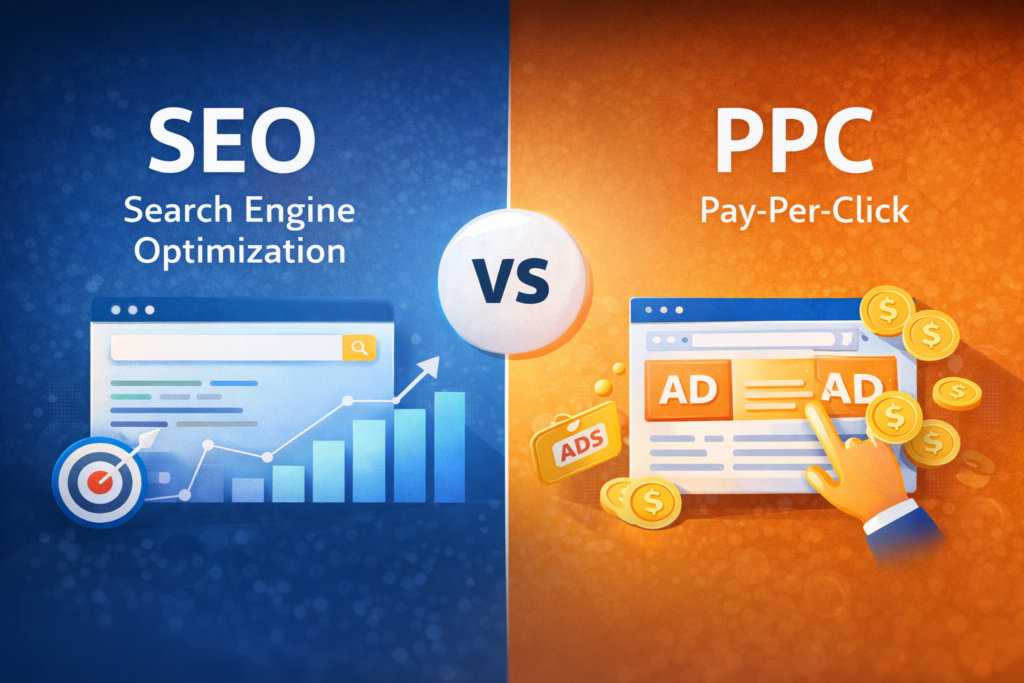
SEO vs PPC: Which Digital Marketing Strategy is Better for your Business?
Search engines are one of the most powerful channels for attracting potential customers online. When…