
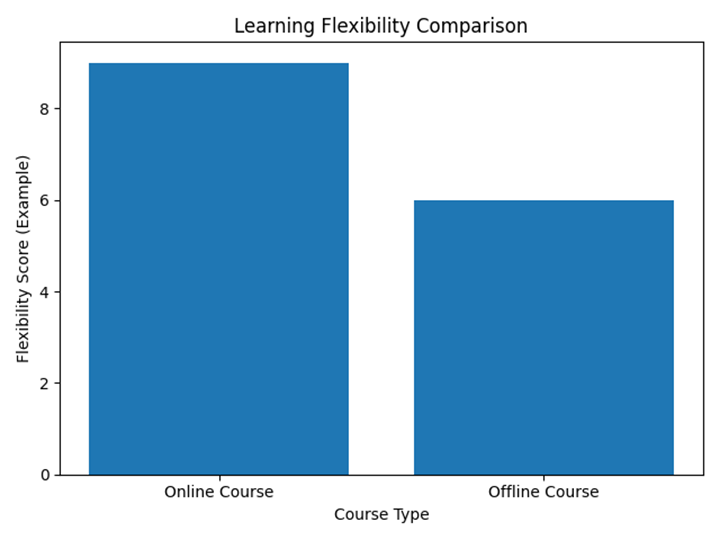
Flexibility Comparison
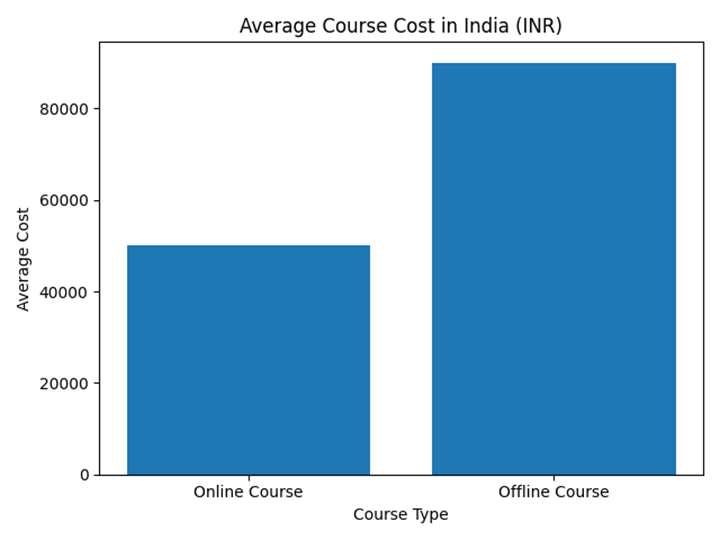
Cost Comparison in India
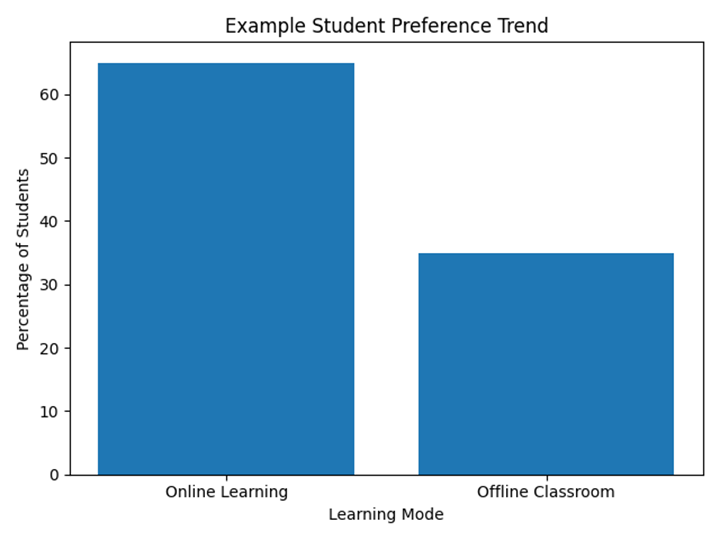
Student Preference Trend
Introduction
Digital marketing has become one of the fastest-growing career fields in the modern economy.
Businesses across the world are investing heavily in online marketing strategies such as search engine optimization (SEO),
social media marketing, pay-per-click advertising, and content marketing. As a result, the demand for skilled digital marketing
professionals is increasing rapidly.
If you want to start a career in digital marketing, the first step is choosing the right training program.
Today, most institutes offer two main options: online digital marketing courses and offline classroom training programs.
Both options have their advantages and limitations. Some students prefer the flexibility of online learning, while others prefer
the structured environment of classroom training.
In this article, we will explore the differences between online and offline digital marketing courses, including cost, flexibility,
learning experience, career opportunities, and which option might be better for your goals.
What is an Online Digital Marketing Course?
An online digital marketing course is a training program delivered through the internet.
Students can access lectures, assignments, tools, and resources through online platforms such as learning portals,
video conferencing tools, or recorded modules.
Online courses allow students to learn digital marketing from anywhere in the world.
They often include training in areas such as SEO, social media marketing, Google Ads, content marketing, analytics,
email marketing, and marketing automation.
Many online programs also include live classes, recorded lessons, downloadable resources, and practical assignments
to help students develop real-world marketing skills.
What is an Offline Digital Marketing Course?
An offline digital marketing course is conducted in a physical classroom environment where students attend training sessions
at an institute or training center.
In offline programs, students learn directly from instructors and interact with other students in person.
These courses often include workshops, group discussions, and live demonstrations.
Offline training programs are usually offered by digital marketing institutes, business schools, or professional training centers.
Students attend scheduled classes and complete assignments as part of the course curriculum.
Advantages of Online Digital Marketing Courses
Online digital marketing courses offer several advantages for students and working professionals.
First, online learning provides flexibility. Students can learn at their own pace and access lessons anytime.
This is particularly useful for professionals who want to upgrade their skills while working full-time.
Second, online courses are usually more affordable than classroom programs. Since institutes do not need to maintain physical
infrastructure for online programs, the cost of training is often lower.
Third, online learning allows students to access global instructors and industry experts. Many international platforms offer
high-quality digital marketing certifications recognized worldwide.
Finally, online courses often include recorded sessions that students can revisit whenever needed.
Advantages of Offline Digital Marketing Courses
Offline digital marketing courses provide a structured classroom environment that many students find beneficial.
One major advantage is direct interaction with instructors. Students can ask questions immediately and receive instant feedback
during classroom sessions.
Offline courses also encourage networking. Students interact with classmates who may come from different professional backgrounds,
which can help build valuable industry connections.
Another benefit is hands-on learning through workshops and live practice sessions conducted in the classroom.
For beginners who prefer guided learning and discipline, offline digital marketing training can be a very effective option.
Course Cost Comparison
In India, the cost of digital marketing courses varies depending on the institute, course duration, and certifications offered.
Online digital marketing courses typically range between ₹20,000 and ₹70,000.
Some premium international programs may cost more.
Offline digital marketing courses generally cost between ₹50,000 and ₹1,20,000 depending on the training institute and facilities provided.
Students should compare course curriculum, certification value, practical training, and placement support before choosing a program.
Career Opportunities After Digital Marketing Training
Both online and offline digital marketing courses can lead to excellent career opportunities.
Common job roles include:
• SEO Specialist
• Social Media Manager
• PPC Advertising Expert
• Digital Marketing Executive
• Content Marketing Manager
• Marketing Analyst
Digital marketing professionals can work in marketing agencies, startups, e-commerce companies, technology firms,
or even as freelancers and consultants.
The digital marketing industry is expected to grow significantly in the coming years, creating strong career opportunities
for trained professionals.
Which Course Should You Choose?
Choosing between an online and offline digital marketing course depends on your personal preferences, budget, and schedule.
If you prefer flexible learning, want to study from home, or are already working, an online digital marketing course may be the
best choice.
However, if you prefer structured learning, face-to-face interaction with instructors, and classroom networking opportunities,
an offline course might be better suited for you.
Both learning methods can provide valuable digital marketing skills if the training program includes practical projects,
industry tools, and updated course content.
Conclusion
Digital marketing offers exciting career opportunities for students, professionals, and entrepreneurs.
Whether you choose an online or offline digital marketing course, the most important factor is the quality of training and
practical experience you gain during the program.
Online courses provide flexibility and affordability, while offline programs offer structured learning and direct interaction
with instructors.
By choosing the right training program and continuously practicing digital marketing skills, you can build a successful career
in one of the fastest-growing industries in the world.

Author: marketerspedia
marketers database hub