
Search engines are one of the most powerful channels for attracting potential customers online. When people search for products, services, or information, businesses want their websites to appear at the top of the results. Two primary strategies dominate search engine marketing: Search Engine Optimization (SEO) and Pay‑Per‑Click advertising (PPC).
Both SEO and PPC aim to increase website visibility, generate traffic, and drive conversions. However, they work in very different ways. SEO focuses on earning organic rankings through optimized content and technical improvements, while PPC relies on paid advertisements that appear at the top of search engine results.
Understanding the strengths, weaknesses, and ideal use cases of each strategy is essential for building an effective digital marketing plan. In this guide, we will explore SEO vs PPC in detail, compare their benefits and costs, and help you determine which approach is best for your business.
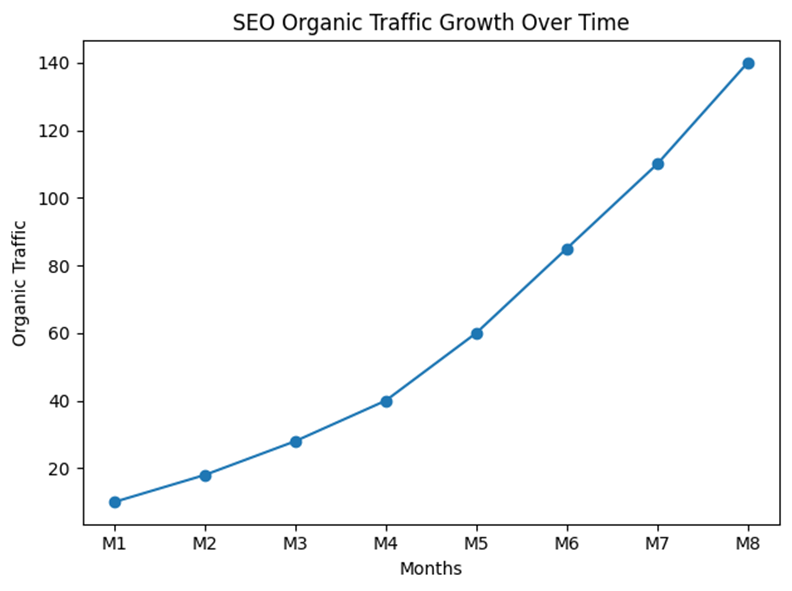
SEO: Organic Traffic Growth
What is SEO?
Search Engine Optimization (SEO) is the process of improving a website so that it ranks higher in organic (non‑paid) search engine results. The goal of SEO is to make a website more visible to people searching for relevant keywords.
SEO typically involves three major components:
1. On‑Page SEO – Optimizing website content, titles, headings, images, and internal links.
2. Technical SEO – Improving website speed, mobile responsiveness, indexing, and overall technical performance.
3. Off‑Page SEO – Building backlinks and increasing the authority of a website through external signals.
Search engines like Google analyze hundreds of ranking factors to determine which pages deserve top positions. Websites that provide useful, relevant, and trustworthy content are more likely to rank well.
Benefits of SEO
SEO provides several long‑term advantages for businesses that want sustainable growth.
First, organic traffic is free once rankings are achieved. Unlike paid advertising, businesses do not need to pay for each visitor coming from search results.
Second, SEO builds credibility and trust. Users tend to trust organic results more than advertisements, especially when they see a brand consistently appearing in search results.
Third, SEO delivers long‑term value. A well‑optimized article or webpage can generate traffic for months or even years after it is published.
However, SEO requires patience and consistent effort. It may take several months to see strong results, especially in competitive industries.
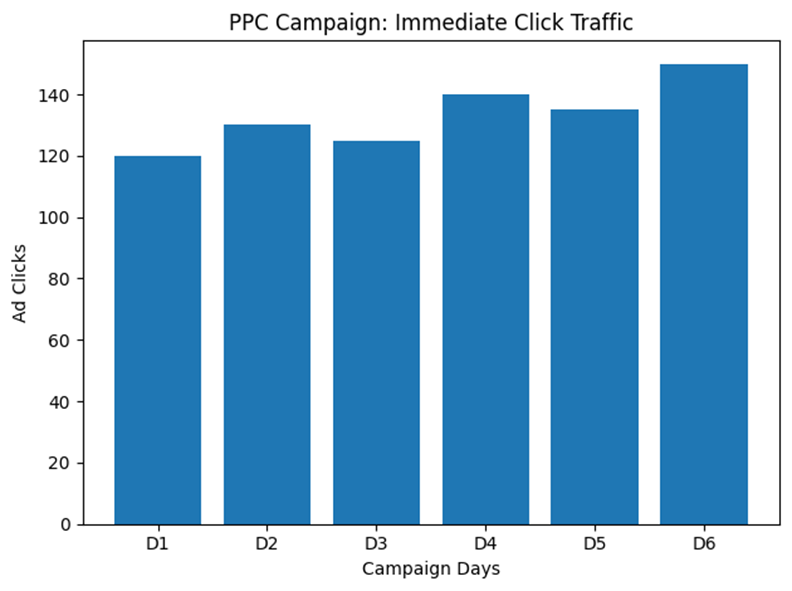
PPC: Immediate Paid Traffic
What is PPC?
Pay‑Per‑Click (PPC) advertising is a digital marketing model where advertisers pay a fee each time someone clicks their ad. PPC ads typically appear at the top or bottom of search engine results pages.
The most popular PPC platform is Google Ads, but other platforms such as Microsoft Ads, Facebook Ads, and LinkedIn Ads also use similar models.
In a PPC campaign, advertisers bid on keywords relevant to their business. When users search for those keywords, the search engine runs an auction to determine which ads appear and in what order.
Unlike SEO, PPC can generate immediate results. As soon as a campaign is launched, ads can start appearing in search results and driving traffic to a website.
Benefits of PPC
PPC advertising offers several advantages for businesses that need quick results.
The biggest benefit is instant visibility. New websites that do not yet rank organically can still appear at the top of search results through paid advertising.
Another advantage is precise targeting. PPC campaigns allow marketers to target users based on keywords, location, device type, demographics, and even behavior.
PPC also provides clear performance data. Marketers can track impressions, clicks, conversions, and return on ad spend to measure campaign success.
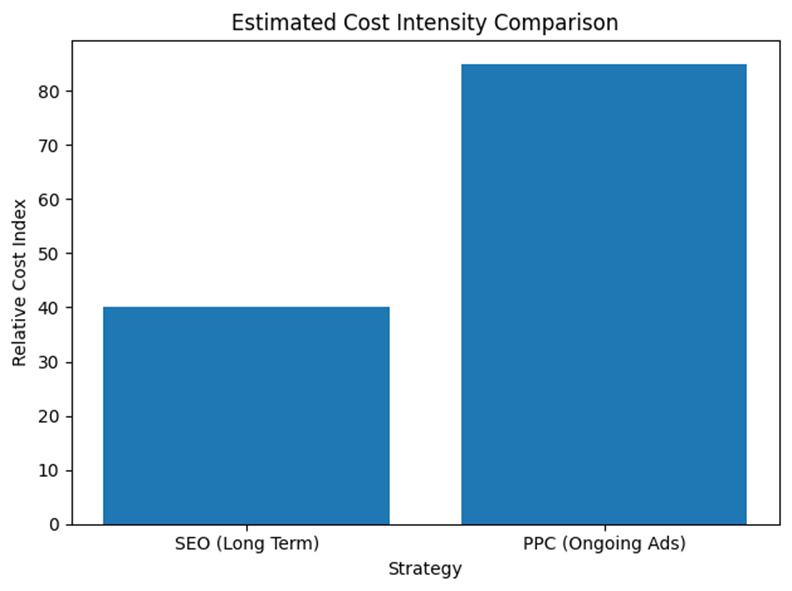
The main downside of PPC is cost. Traffic stops as soon as the advertising budget runs out.
Cost Comparison: SEO vs PPC
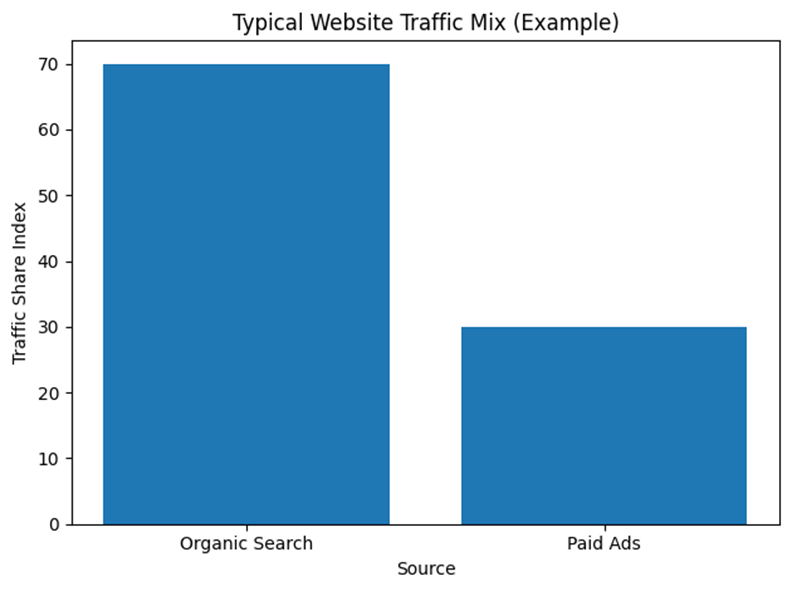
Traffic Sources Example
Key Differences Between SEO and PPC
While SEO and PPC both aim to attract visitors from search engines, they differ significantly in strategy, cost structure, and timeline.
SEO is a long‑term investment that focuses on building authority and improving organic visibility. PPC is a short‑term strategy designed to generate immediate traffic through paid placements.
Another major difference is cost. SEO requires investment in content creation, optimization, and technical improvements, but it does not charge per click. PPC, on the other hand, requires continuous spending to maintain visibility.
In terms of results, PPC is faster but temporary, while SEO is slower but more sustainable.
When Should You Use SEO or PPC?
Businesses often wonder whether they should choose SEO or PPC. The answer depends on their goals, budget, and timeline.
SEO is ideal for businesses that want long‑term growth, brand authority, and consistent organic traffic.
PPC is better for short‑term campaigns such as product launches, seasonal promotions, or testing new markets.
Many successful companies use both strategies together. PPC can generate quick traffic while SEO builds long‑term visibility.
Combining SEO and PPC for Maximum Results
Combining SEO and PPC can create a powerful search marketing strategy. For example, businesses can use PPC campaigns to test which keywords convert best. Those insights can then be used to optimize SEO content.
Similarly, SEO can reduce advertising costs by generating organic traffic for high‑value keywords.
When used together, SEO and PPC allow businesses to dominate search engine results pages by appearing in both paid and organic listings.
Conclusion
SEO and PPC are two essential pillars of digital marketing. Each strategy has unique strengths and challenges, and the best choice depends on your business objectives.
SEO offers sustainable, long‑term traffic and credibility, while PPC provides immediate visibility and measurable performance.
For most businesses, the most effective approach is not choosing one over the other, but integrating both strategies into a comprehensive digital marketing plan.
By balancing organic optimization with targeted advertising, companies can maximize online visibility, attract more qualified leads, and achieve long‑term business growth.

Author: marketerspedia
marketers database hub