Exposed: The Secret Pricing Formulas Behind Million-Dollar Brands
Pricing is one of the most powerful yet misunderstood elements of business strategy. While many entrepreneurs obsess over product features, branding, or marketing campaigns, the real driver of profitability often lies in how a product is priced. The difference between a struggling business and a million-dollar brand is not always better products—it’s often better pricing strategy.
So what’s the secret? How do successful brands price their products in a way that not only attracts customers but also maximizes revenue and profit?
In this article, we’ll break down the hidden pricing formulas and psychological tactics used by million-dollar brands—and show you how you can apply them to your own business.
Why Pricing Is More Important Than You Think
Most businesses treat pricing as a simple calculation:
Cost + Profit Margin = Selling Price
While this approach may cover expenses, it ignores the most important factor: customer perception.
Pricing is not just about numbers—it’s about value perception, positioning, and psychology.
Million-dollar brands understand that:
- Customers don’t buy based on cost—they buy based on perceived value
- Pricing influences brand image
- The right price can increase conversions without increasing traffic
The Biggest Pricing Mistake Businesses Make
One of the most common mistakes is underpricing.
Many businesses believe that lower prices will attract more customers. While this may work temporarily, it often leads to:
- Lower profit margins
- Reduced perceived value
- Price-sensitive customers who don’t stay loyal
Million-dollar brands rarely compete on price. Instead, they focus on value-based pricing.
Secret #1: Value-Based Pricing
This is the foundation of all successful pricing strategies.
Instead of asking:
“What does this product cost to make?”
Million-dollar brands ask:
“What is this product worth to the customer?”
Example:
If your product helps a business earn ₹50,000 more per month, pricing it at ₹2,000 is not expensive—it’s a bargain.
How to Apply:
- Highlight results and benefits
- Focus on outcomes, not features
- Understand your customer’s pain points
Secret #2: The Power of Anchoring
Anchoring is a psychological pricing technique where you present a higher-priced option first to make other options seem more affordable.
Example:
- Premium Plan: ₹9,999
- Standard Plan: ₹4,999
- Basic Plan: ₹1,999
Most customers will choose the Standard Plan because it appears to offer the best value.
Why It Works:
The first price sets a reference point in the customer’s mind.
Secret #3: Decoy Pricing Strategy
This is one of the most powerful pricing tricks used by big brands.
You introduce a third option (decoy) to influence customer choice.
Example:
- Basic: ₹500
- Standard: ₹900
- Premium: ₹950
The Premium option looks like a much better deal compared to Standard—even if the difference is small.
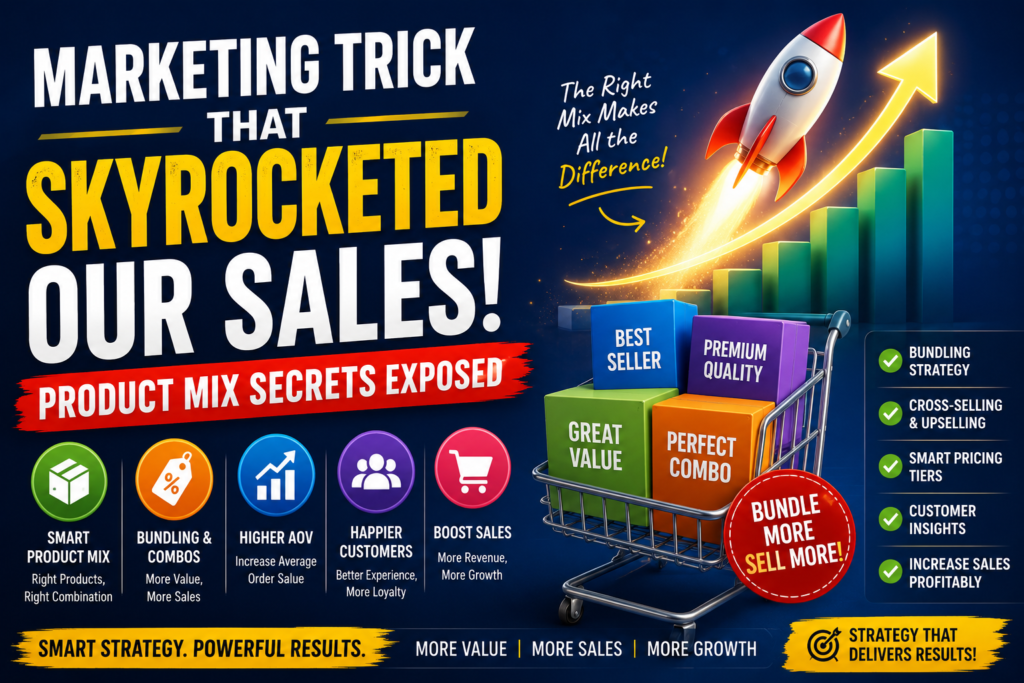
Secret #4: Bundle Pricing
Bundling increases perceived value and average order value.
Example:
Instead of selling:
- Course = ₹2,000
- Toolkit = ₹1,000
Bundle:
- Course + Toolkit = ₹2,499
Customers feel they’re getting more for less.
Secret #5: Psychological Pricing
Small changes in pricing can significantly impact buying behavior.
Common Techniques:
- ₹999 instead of ₹1000
- ₹4,999 instead of ₹5,000
- “Only ₹99/day” instead of ₹2,970/month
These tactics make prices feel more affordable.
Secret #6: Scarcity & Urgency Pricing
Million-dollar brands use time and availability to drive action.
Examples:
- Limited-time offers
- Flash sales
- “Only 10 spots left”
This triggers fear of missing out (FOMO) and increases conversions.
Secret #7: Tiered Pricing Model
Offering multiple pricing levels allows customers to choose based on their budget.
Typical Structure:
- Basic (Entry-level)
- Standard (Most Popular)
- Premium (High-value)
This approach:
- Captures different customer segments
- Increases revenue
- Improves perceived value
Secret #8: Subscription Pricing
Recurring revenue is a key factor behind many million-dollar brands.
Examples:
- Netflix
- SaaS tools
- Membership platforms
Benefits:
- Predictable income
- Higher lifetime value
- Strong customer retention
Secret #9: Price Framing
How you present a price matters as much as the price itself.
Example:
Instead of:
₹12,000 per year
Say:
₹33 per day
This makes the price feel smaller and more manageable.
Secret #10: Premium Pricing Strategy
Some brands intentionally price their products higher to create a perception of exclusivity and quality.
Example:
Luxury brands like Apple, Rolex, or Gucci
Higher price = Higher perceived value
Real-World Impact of Smart Pricing
When businesses implement these strategies effectively, they see:
- Increased conversion rates
- Higher average order value
- Improved profit margins
- Stronger brand positioning
Pricing is not just about selling—it’s about maximizing revenue intelligently.
How to Choose the Right Pricing Strategy
There’s no one-size-fits-all formula. The right strategy depends on:
- Your target audience
- Your industry
- Your product value
- Your competition
Step-by-Step Approach:
- Understand your customer
- Analyze competitors
- Define your value
- Test different pricing models
- Optimize based on data
The Role of Data in Pricing
Million-dollar brands don’t guess—they test.
They use:
- A/B testing
- Customer feedback
- Sales data
This helps them refine pricing continuously.
Common Pricing Myths
Myth 1: Lower price = More sales
Reality: Value matters more than price
Myth 2: Pricing is fixed
Reality: Pricing should evolve
Myth 3: Discounts drive growth
Reality: Value-driven pricing builds long-term success
Final Thoughts
The secret behind million-dollar brands isn’t just great products—it’s strategic pricing.
By understanding customer psychology, leveraging value perception, and using proven pricing formulas, you can transform your business.
You don’t need to lower your prices—you need to increase your value and present it effectively.
Take Action Today
Start by analyzing your current pricing:
- Are you underpricing your value?
- Are you using bundles or tiers?
- Are you leveraging psychology?
Even small changes can lead to massive growth.
Pricing isn’t just a number—it’s a strategy. Master it, and you unlock the true potential of your business.

Author: marketerspedia
marketers database hub