The Pros and Cons of Instagram, YouTube, and Social Media: A Complete Analysis
Introduction
Social media has become an integral part of modern life, influencing how we communicate, learn, entertain ourselves, and conduct business. Platforms like Instagram and YouTube, along with other social media networks, have created unprecedented opportunities for individuals and organizations. However, alongside these benefits come significant challenges and drawbacks.
This article explores the advantages and disadvantages of Instagram, YouTube, and social media as a whole, providing a balanced and in-depth understanding of their impact.
Understanding Social Media
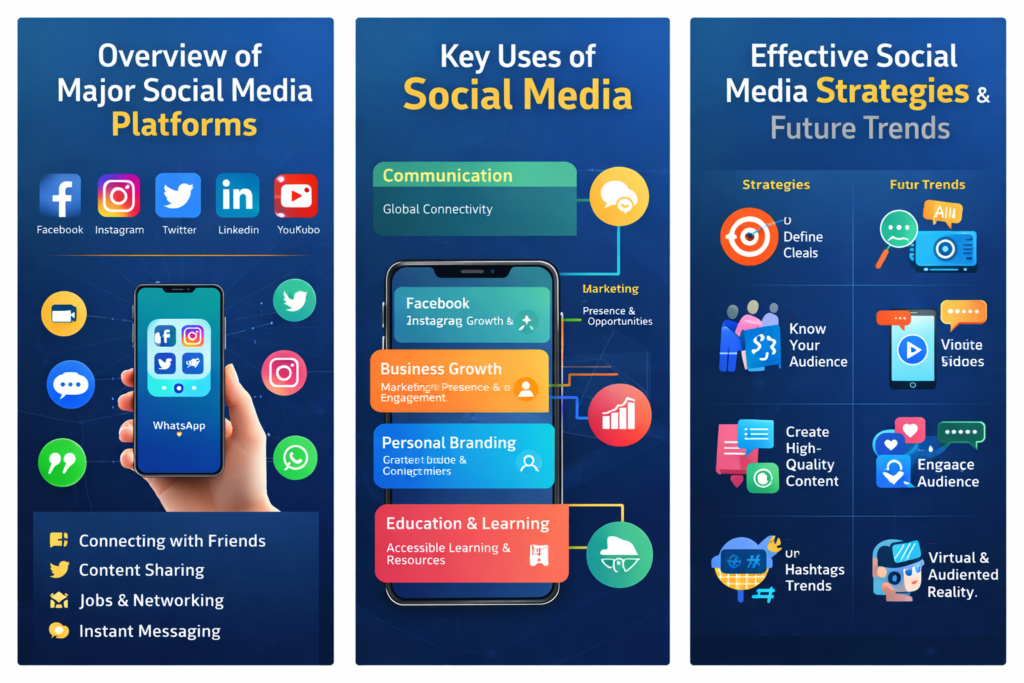
Social media refers to digital platforms that allow users to create, share, and interact with content. These platforms include:
- Instagram (visual content)
- YouTube (video content)
- Facebook (social networking)
- Twitter/X (microblogging)
- LinkedIn (professional networking)
- WhatsApp & Telegram (messaging platforms)
Each platform serves a unique purpose but collectively shapes the digital ecosystem.
📸 Instagram: Pros and Cons
✅ Advantages of Instagram
1. Strong Personal Branding
Instagram is one of the best platforms for building a personal brand. Influencers, creators, and professionals use it to showcase their work and connect with audiences.
2. High Engagement Rates
Compared to many platforms, Instagram offers higher engagement through likes, comments, shares, and reels.
3. Visual Storytelling
It allows users to communicate ideas effectively through images, reels, and stories.
4. Business Opportunities
Brands use Instagram for:
- Marketing products
- Running ads
- Collaborating with influencers
5. Monetization Options
Creators can earn through:
- Brand deals
- Affiliate marketing
- Selling products/services
❌ Disadvantages of Instagram
1. Addiction and Time Consumption
Scrolling through reels and stories can become addictive and reduce productivity.
2. Mental Health Impact
Constant comparison with others can lead to anxiety, low self-esteem, and stress.
3. Algorithm Dependency
Reach and visibility depend heavily on the algorithm, making growth unpredictable.
4. Fake Lifestyles
Many users portray unrealistic lifestyles, which can mislead audiences.
5. Content Pressure
Creators feel pressure to post consistently and maintain aesthetics.
🎥 YouTube: Pros and Cons
✅ Advantages of YouTube
1. Massive Reach
YouTube is the second-largest search engine, offering global reach.
2. Long-Form Content
Unlike Instagram, YouTube supports detailed and educational content.
3. Monetization Opportunities
Creators can earn through:
- Ads (AdSense)
- Sponsorships
- Memberships
4. Educational Value
YouTube is a powerful learning platform with tutorials, courses, and lectures.
5. SEO Benefits
Videos can rank on search engines, providing long-term visibility.
❌ Disadvantages of YouTube
1. High Competition
Millions of creators compete for attention, making growth challenging.
2. Time-Intensive Content Creation
Creating high-quality videos requires:
- Editing skills
- Equipment
- Time investment
3. Algorithm Changes
Frequent changes affect visibility and income.
4. Monetization Criteria
Strict eligibility requirements (e.g., subscribers and watch hours).
5. Negative Feedback
Creators often face criticism and trolling.
🌐 Social Media (Overall): Pros and Cons
✅ Advantages of Social Media
1. Global Connectivity
Social media connects people worldwide, enabling instant communication.
2. Business Growth
Businesses can:
- Reach targeted audiences
- Generate leads
- Increase sales
3. Learning Opportunities
Platforms provide access to free educational content and skill development.
4. Career Opportunities
Social media has created new careers:
- Influencers
- Content creators
- Digital marketers
5. Real-Time Information
Users receive instant updates on news, trends, and events.
6. Cost-Effective Marketing
Compared to traditional marketing, social media is more affordable and measurable.
❌ Disadvantages of Social Media
1. Privacy Concerns
User data is often collected and used for targeted advertising.
2. Misinformation
Fake news spreads quickly, leading to confusion and misinformation.
3. Cyberbullying
Users may face harassment, trolling, or online abuse.
4. Reduced Productivity
Excessive usage can distract from studies and work.
5. Addiction
Social media platforms are designed to keep users engaged for long periods.
6. Mental Health Issues
Overuse can lead to stress, anxiety, and depression.
📊 Comparison: Instagram vs YouTube vs Other Platforms
| Feature | YouTube | Other Platforms | |
|---|---|---|---|
| Content Type | Short-form, visual | Long & short videos | Mixed |
| Growth Speed | Fast (viral reels) | Slow but stable | Varies |
| Monetization | Moderate | High | Moderate |
| Skill Requirement | Medium | High | Low–Medium |
| Engagement | High | Medium–High | Medium |
💼 Social Media for Students and Businesses
For Students:
- Learn new skills
- Build personal brand
- Earn through freelancing
For Businesses:
- Increase visibility
- Build customer relationships
- Drive sales
⚖️ Balancing the Pros and Cons
To use social media effectively:
✔ Set Time Limits
Avoid excessive usage by managing screen time.
✔ Follow Quality Content
Consume educational and valuable content.
✔ Focus on Skill Development
Use platforms to learn and grow.
✔ Avoid Comparison
Focus on your own journey instead of comparing with others.
🔮 Future of Social Media
1. AI Integration
AI will enhance content creation, personalization, and automation.
2. Short-Form Video Growth
Platforms will continue focusing on reels and shorts.
3. E-commerce Expansion
Social media will become a major shopping platform.
4. Creator Economy Growth
More people will earn through content creation.
🧠 Conclusion
Social media platforms like Instagram and YouTube offer immense opportunities for growth, learning, and income generation. However, they also come with challenges such as addiction, mental health concerns, and privacy issues.
The key lies in using social media wisely. When used strategically, it can be a powerful tool for success. When misused, it can negatively impact productivity and well-being.
Ultimately, social media is neither entirely good nor bad—it depends on how we choose to use it.
Final Thought:
Use social media as a tool to build your future, not as a distraction that takes you away from it.

Author: marketerspedia
marketers database hub